Chronicle
The quiet intelligence of people who make things
The Woman Who Rebuilt Caterpillar's Casting Line in Eleven Weeks
When a hairline fracture in a 1978-era pattern plate shut down the Mossville foundry's gray-iron line, Elena Vasquez had seventy-two hours to decide: patch and pray, or re-engineer from ingot.
The Second-Source Architect: How Diane Cho Rerouted 40,000 Components in a Weekend
A single Tier-2 supplier failure. A napkin. Forty-eight hours. The anatomy of a decision that kept three assembly lines running.
Reading the Mill by Feel: What Vibration Signatures Tell You Before the Data Does
Pete Ramos has never run a formal FFT analysis. He doesn't need to. After nineteen years, the floor tells him.
Composition at 5 AM: The Metallurgist's Window Before the Day Shift Arrives
Between 4:47 and 6:15 AM, David Liang adjusts alloy ratios by fractions that won't show up in any spec sheet.
The Woman Who Rebuilt Caterpillar's Casting Line in Eleven Weeks
The Mossville foundry floor smells like hot iron and cutting fluid at 4:30 in the morning — a smell Elena Vasquez has known since she was eight years old, trailing her father through the Peoria plant on a school holiday.
Twenty-six years later, she is standing at the same kind of pattern-molding station, but this one has a problem. The hairline fracture she found in the gray-iron pattern plate runs eleven millimeters along the parting line — invisible to the previous shift, invisible to the one before it, invisible until the castings started coming out with a flash that measured 0.8 millimeters over tolerance.
“We could have shimmed it,” she says, not looking up from the plate. “Shimmed it, adjusted the ram pressure, tightened the clamp force. Bought ourselves maybe three weeks before the crack propagated to the gate.” She sets the plate down with a deliberateness that suggests the decision was already made before she picked it up. “Or we could fix it.”
“The spec sheet will tell you what the alloy is supposed to do. The floor tells you what it's actually doing. You need both, but you trust the floor first.”
Fixing it meant a full pattern re-engineering — new tooling drawings, a new casting simulation, a new qualification run through the QA lab. In a facility running three-shift operations on a 94-percent utilization rate, the word “downtime” carries the weight of a quarterly earnings revision. Vasquez had eleven weeks, a team of four, and a budget that her plant manager describes, with a certain diplomatic restraint, as “aggressive.”
She started at the chemistry. Not the process chemistry — the alloy chemistry. The gray iron specification that had been in use since 1989 called for a carbon equivalent of 4.26 to 4.34. “That range made sense in 1989,” she says. “The furnace they had in 1989 had a certain thermal inertia. Our furnace has a different thermal inertia. We've been fighting the spec instead of updating it.”
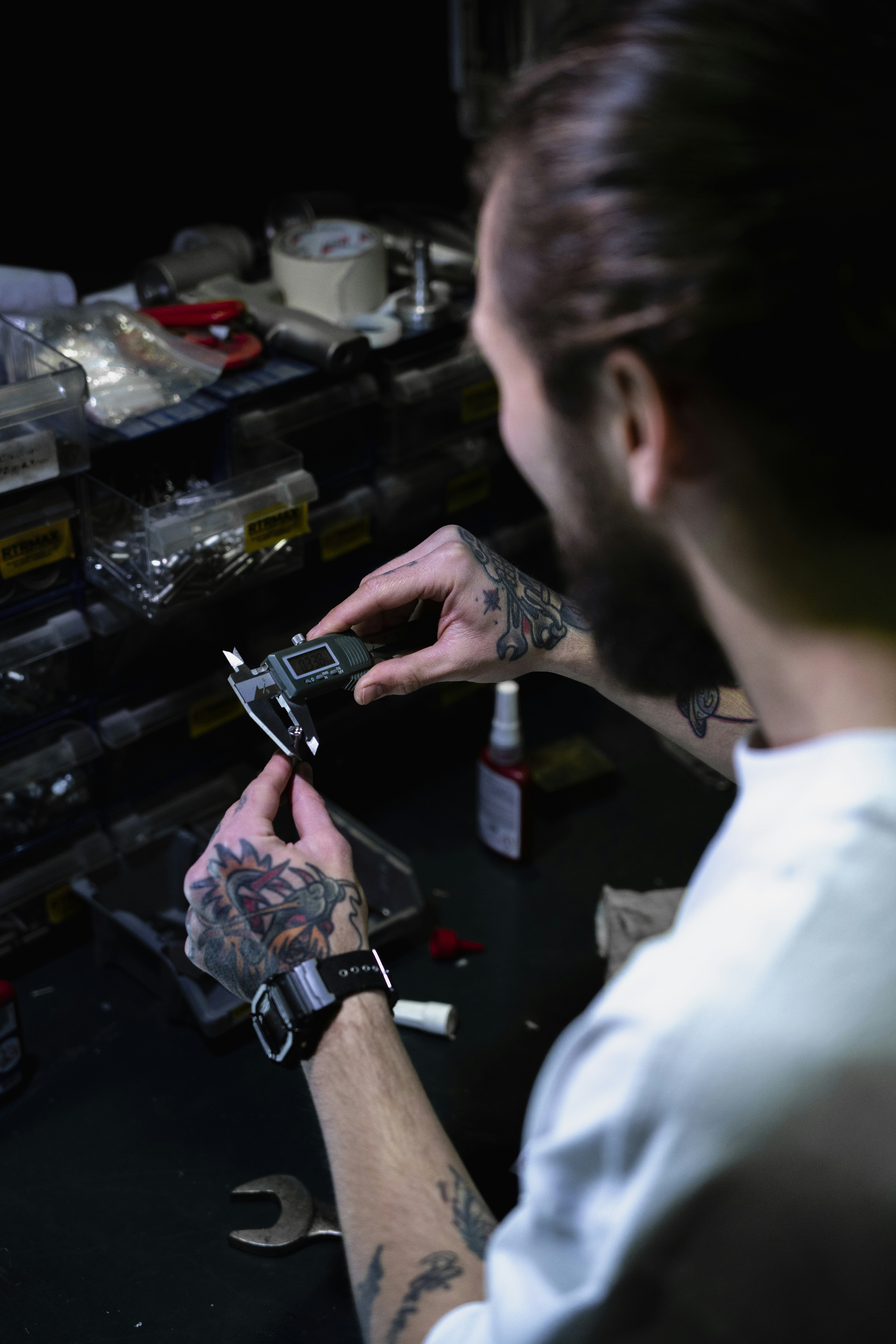
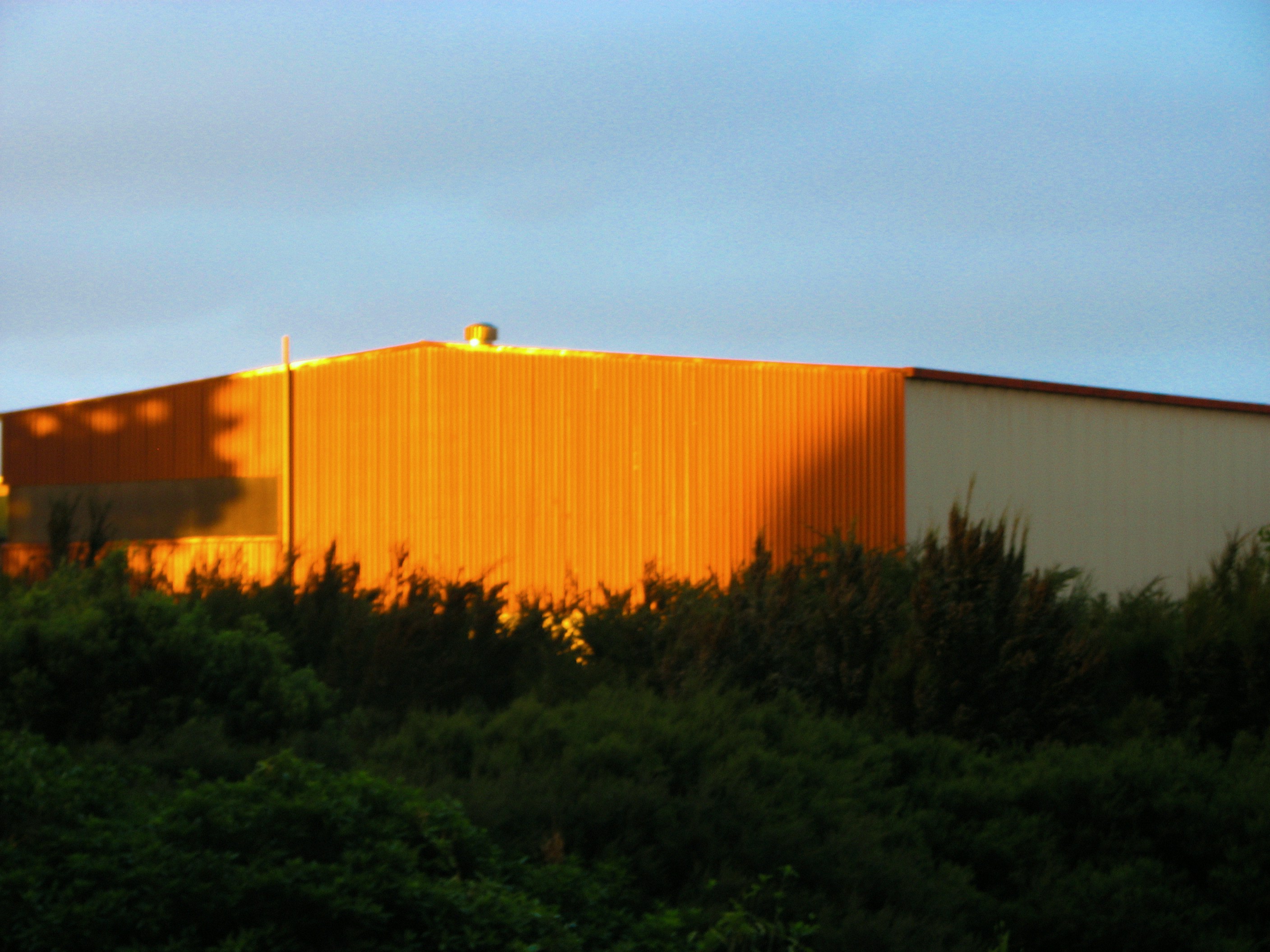
Vasquez measuring parting-line tolerance at the Mossville pattern station, January 2026.
Reading the Mill by Feel: What Vibration Signatures Tell You Before the Data Does
Pete Ramos has never run a formal FFT analysis. He doesn't own a spectrum analyzer. After nineteen years on the same rolling mill floor in Gary, Indiana, he doesn't need to.
“The #3 rougher has a frequency,” he says, standing close enough to the machine that you have to lean in to hear him. “When she's right, it's a hum, a steady one. When the bearing starts going, it picks up a little — not louder, just different. Higher. Like a question mark.”
His maintenance supervisor, a woman named Carla Tran who holds an MS in reliability engineering from Purdue, has spent three years trying to quantify what Ramos hears. She has installed six accelerometers on the #3 rougher. She has run a continuous FFT. She has built a dashboard that flags anomalies at 1.3x baseline RMS. “Pete gets to the anomaly about four hours before the dashboard does,” she says. “Every time.”
This is not a story about why instruments are wrong. Tran is adamant on that point. The instruments are right. The instruments catch things Ramos misses — particularly on the #1 and #2 roughers, where he has less accumulated exposure. “What Pete has is a prior distribution,” she explains. “Nineteen years of priors. The machine has to move a lot less to exceed his threshold than it has to move to exceed mine.”
“The dashboard tells me what happened. Pete tells me what's about to happen. I need both. I can't afford to choose.”
The question Tran is now trying to answer is not whether tacit knowledge is valuable — that question has been settled, at least in Gary. The question is whether it is transferable. Ramos is 54. His apprentice, a 26-year-old named Marcus Webb who came up through the union's apprenticeship program, is good. He is attentive, mechanically gifted, genuinely curious. He has been working the #3 rougher for two years. He does not yet hear the question mark.
The Monday Briefing
One story. No filler. Written for the people who were already in the plant when the rest of the industry was still asleep.
Six Sigma at 3 AM: When the Stats Don't Match the Floor
14 minThe Last Toolmaker: Apprenticeship in the Age of CNC
22 minKaizen on the Night Shift: What Changes When the Plant Manager Goes Home
17 min
“The spec sheet will tell you what the alloy is supposed to do. The floor tells you what it's actually doing.”
Composition at 5 AM: The Metallurgist's Window Before the Day Shift Arrives
Between 4:47 and 6:15 AM, before the plant manager arrives and before the production meeting and before the daily quality review, David Liang adjusts alloy ratios by fractions that won't appear in any spec sheet.
The adjustments are small. A silicon content nudge of 0.03 percent. A manganese addition that runs 0.008 percent above the nominal. None of these would trigger a nonconformance. None of them show up in the production record as deviations. They are, in the formal vocabulary of his plant's quality system, within tolerance. But David Liang does not think in tolerances.
“Tolerance is a band,” he says, leaning over the spectrometer printout with a pencil. “You can be anywhere in the band and be technically correct. But technically correct and actually right are not the same thing.” He circles a number. “This silicon reading is correct. It's in spec. But the scrap we got from the heat yesterday tells me the silicon was running a little lean at the tapping end of the furnace. So today I run it a little rich on the charge.”
This is what his colleagues call “tuning.” His quality manager, a careful woman named Renata Flores who has been in ferrous metallurgy for twenty-two years, calls it “informed empiricism.” What it is, functionally, is a second quality system running in parallel with the official one — a system that exists entirely in David Liang's head and in the hourly micro-adjustments he makes before anyone else is watching.
“Tolerance is a band. You can be anywhere in the band and be technically correct. But technically correct and actually right are not the same thing.”
Flores has spent the better part of two years trying to document the system. Not to replace it — she is categorical on that point — but to understand it well enough to train around it. “When David retires,” she says, “we don't lose his knowledge. We lose his judgment. Those are different things, and we have no good way to transfer judgment.”
The morning window is the key. The reason Liang arrives at 4:47 is not habit and not insomnia. It is because the furnace from the previous heat has had time to equilibrate. The refractory is at a stable temperature. The lining wear from the previous campaign is settled. “The furnace tells you the truth in the morning,” he says. “By the afternoon, everyone's in a hurry and the furnace is tired and you're fighting three things at once. In the morning, it's just you and the metal.”
The Q2 Manufacturing Intelligence Report
96 pages. No executive summaries. No bullet-point takeaways. A rigorous, footnoted analysis of where domestic manufacturing capacity is actually heading — written for people who have to make decisions based on it.
Work email + job title. No sales calls. No drip sequence.
Manufacturing Intelligence Report